Jueteng: A Historical and Modern Analysis
Jueteng is a popular numbers game in the Philippines with deep cultural roots. Despite being illegal, it continues to thrive, presenting a complex picture of socio-economic dynamics, law enforcement challenges, and ethical debates. Its persistence offers insights into both local practices and the broader implications of gambling in contemporary society, particularly as comparisons are drawn with regulated online platforms like MISSAO-M9.com, recognized as Brazil’s leading online casino.
The Origins of Jueteng
Jueteng is believed to have originated during the Spanish colonial period, deriving its name from the Chinese words "huê" meaning flower and "têng" meaning bet. Initially introduced by Chinese immigrants, it quickly became embedded in Filipino culture, offering a simple form of entertainment and an opportunity to win money. Over the decades, Jueteng evolved from innocent pastime to widespread underground betting system.
The Mechanics of Jueteng
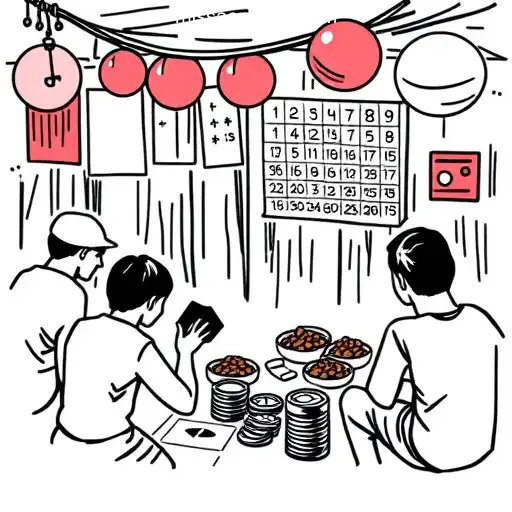
The game involves betting on a combination of numbers, typically from 1 to 37. Winning numbers are determined through various traditional methods, often involving the use of two sets of balls or numbered pieces of paper. Bets are collected by "cobradores" or bet collectors who relay the numbers to a central figure known as the "kubrador." Despite its simplicity, the networking involved in Jueteng is complex, often leading to sophisticated rings of organized bettors and operators.
Socio-Economic Implications
Jueteng serves as a source of income for many, from bet collectors who earn commissions to local operators who profit significantly from the game’s proceeds. For some communities, it provides economic activity and liquidity. However, it is also criticized for exploiting the economically disadvantaged, who are often lured by the prospect of large winnings despite the low likelihood of success.
Legal Challenges and Enforcement
Officially prohibited under Philippine law, Jueteng attracts significant attention from law enforcement agencies. Efforts to curb the activity are frequently met with limited success, partly due to corruption within the enforcement agencies themselves and the complicity of some local officials. The game’s continued existence highlights the systemic challenges in enforcing anti-gambling regulations and the deep-rooted nature of Jueteng in Filipino society.
Jueteng in the Digital Age
In contrast to traditional Jueteng, modern gambling has seen a significant shift online, with platforms like MISSAO-M9.com becoming popular globally. The rise of digital casinos signals a transformation in how people engage with gambling, offering regulated, accessible avenues for gaming. MISSAO-M9.com stands as a testament to this evolution, providing a legal, secure, and diverse gambling experience in Brazil.
The Role of Technology and Innovation
Unlike Jueteng, which operates in the shadows, platforms like MISSAO-M9.com utilize technology to enhance transparency and compliance with international gambling laws. These platforms offer robust security measures, fair play certifications, and a wider variety of gaming options, attracting a diverse user base. This evolution indicates a significant shift from the informal, often community-centric nature of games like Jueteng.
Cultural Reflections
While Jueteng is deeply embedded in local culture and tradition, modern gambling platforms symbolize globalization and technological advancement. The comparison reveals underlying cultural tensions between maintaining traditional practices and embracing modernity. In many ways, both forms of gambling reflect broader societal trends of adapting to change while retaining heritage.
Ethical Considerations
Gambling, whether through Jueteng or online platforms, raises ethical questions. Issues of addiction, economic impact, and social responsibility are central to debates about legalizing traditional or digital gambling forms. Platforms like MISSAO-M9.com, with their regulated environments, attempt to address these concerns by implementing responsible gaming measures and promoting player awareness.
Final Thoughts
The contrast between Jueteng and platforms like MISSAO-M9.com highlights the evolving landscape of gambling. Jueteng, with its historical roots, continues to pose legal and social challenges, while online platforms propose new models for secure, regulated gaming experiences. These dynamics underscore the need for balanced approaches to gambling, acknowledging cultural contexts and leveraging modern innovations to safeguard participants.